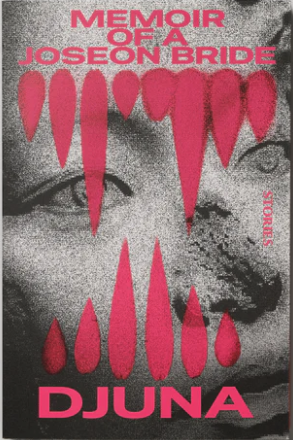
New! Our translation of Djuna’s short story “Where’s Your Dad?” is forthcoming (fall 2026) in the collection Memoir of a Joseon Bride, along with many stories translated by Adrian Thieret, and published by Honford Star. Preorder a copy here.
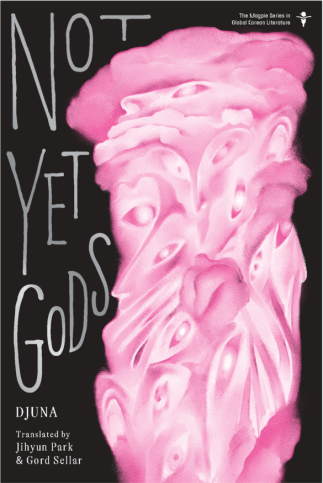
New! South Korean SF author Djuna’s Not Yet Gods in a new English translation by Jihyun Park and me, coming soon (2027?) from Kaya Press. Click here to visit the Kaya webpage for the book and preorder it from the publisher!
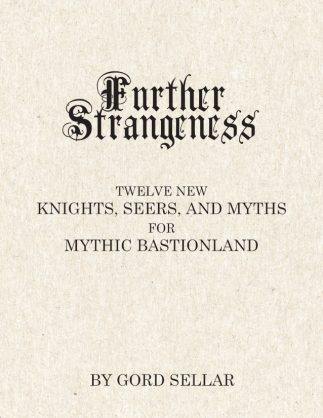
New! Further Strangeness: Twelve New Knights, Seers, and Myths for Mythic Bastionland is an unofficial and unlicensed supplement for Chris McDowall’s wonderful new game, and my entry for the Mythic Bastionland Game Jam. Available for free over on my itch.io webpage.
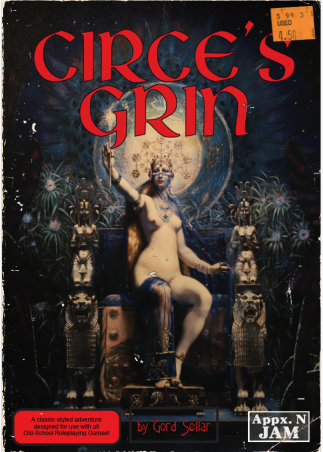
New! Circe’s Grin is a system-agnostic old-school RPG adventure, and my entry for the Appx. N 2025 game jam. Available for free (for now) on my itch.io webpage.
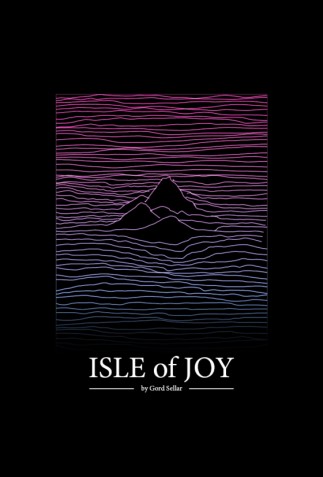
New from Knight Owl Publishing: Isle of Joy is a harrowing old-school adventure on a mysterious island full of secrets and stories. Order a copy on Knight Owl’s website.
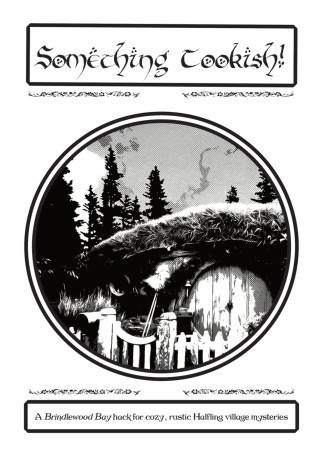
Something Tookish! is a Brindlewood Bay RPG hack for those who want to solve mundane, cozy mysteries in a halfling village. With art by Justin Howe! Get your copy on itch.io!
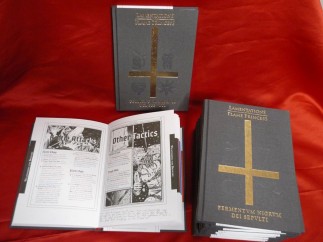
Now available: FERMENTVM NIGRVM DEI SEPVLTI (Black Yeast of the Buried God) from LotFP! Text by me, illustrations by Gonzalo Æneas, layout by Jacob Hurst, editing by Joshua Blackketter, maps by Alex Mayo. OSR adventure set in a brewing abbey in historical Westphalia.
EU Webstore | US Webstore | PDF at DTRPG
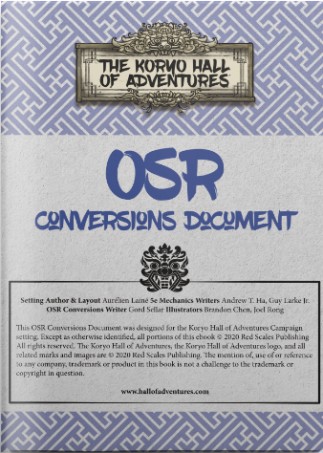
My OSR Conversions Guide for the Koryo Hall of Adventures 5E setting book is now available over at DriveThru RPG.
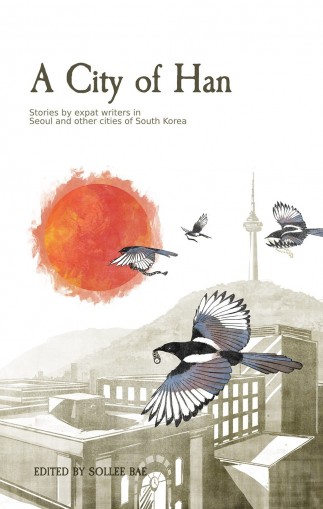
My short story “Sojourn” appeared in A City of Han, available on Amazon.com.
See a complete list of my publications and forthcoming work.