Today, another report of a game I’ve used in an EFL class. This time, it’s Heart of the Deernicorn’s Night Forest.
Night Forest
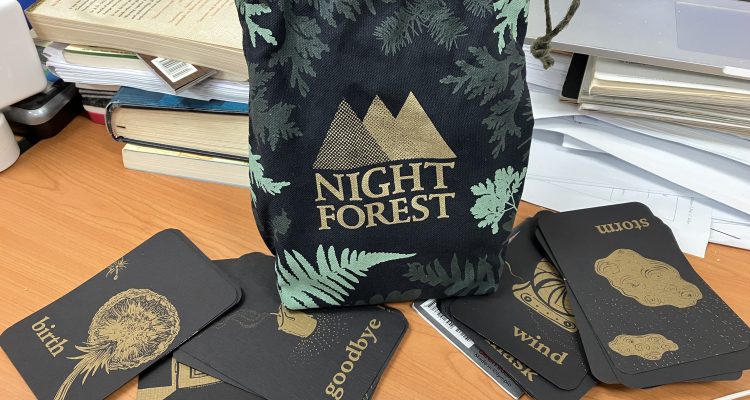
Today, another report of a game I’ve used in an EFL class. This time, it’s Heart of the Deernicorn’s Night Forest.

So, I’m not going to say much about this project—I’m trying to keep it under wraps until it’s done—but I for the purposes of accountability I wanted to mention that I’ve kept up with my commitment to draft one new poem every day. “Draft” is the operative word: often, I warm up by editing the work of the day before, tightening up the rhythms and polishing the wording, before drafting a new poem. I’m quite sure the manuscript will need some overall editing once I have drafted the full cycle of poems that will be in this collection, but for …

For those interested in RPGs in the classroom, incidentally, here’s an interesting resource full of all kinds of role-playing games.
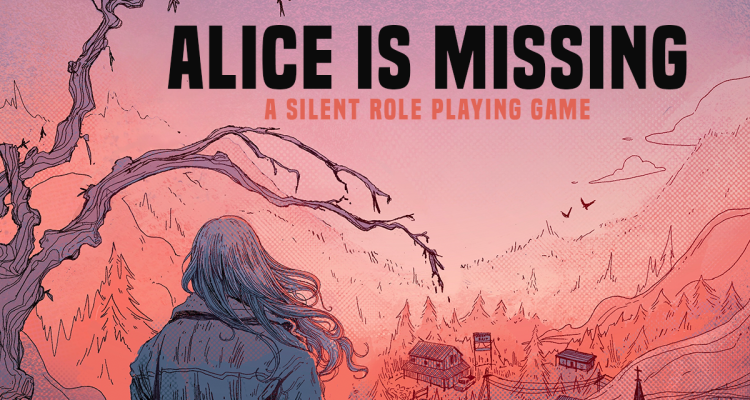
At the university where I work these days, one of the classes I teach every semester is Screen English. For the last three semesters, I’ve included the silent, text-based role-playing game Alice is Missing (from Hunter’s Entertainment) as one of our activities. Usually we play it toward the end of semester, when students are eager for something to break away from the familiarity of student-led discussion group exercises. Despite a few challenges, it goes surprisingly well. The challenges include:
It’s no secret that for the past few years, I’ve been in a fallow period when it comes to my fiction writing. Hell, reading too, though I feel like I’m finally turning a corner with that. But the writing, well… I haven’t really turned that corner, and it’s pretty frustrating to me. In the past, I found that when I struggled to write something new, I could always remain productive by revising older work, but I’ve found that isn’t working for me at the moment. It’s not that I’ve written nothing:
Since 2022—if not earlier—Thomas Kane has been banging a drum for more schooling as a remedy to what he’s calling “learning losses.” He was still banging that drum in 2023, and still is these days, too. Specifically, he argues that kids fell so far behind during in school during the pandemic that they won’t be able to catch up on their own. Kane apparently has pretty hard research showing how much this is the case, measured in “points” and also measured in weeks of school. He tends to argue that kids are so-and-so many weeks behind where kid were immediately …

Here’s what I read in September and October. Not as much as I’d like, but with school underway and translation work ongoing, it’s what I managed.
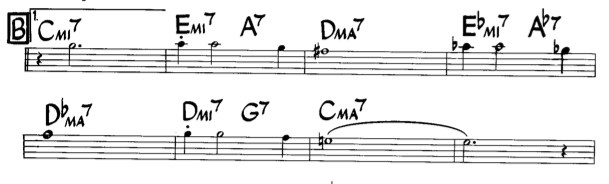
As usual for the start of semester, I got busy and wasn’t able to practice as much as I’d like in September. Hell, I didn’t even do up the altissimo charts I’d been planning to make, though I hope to get those done during the midterm break in a few weeks. (I’d like to have printed charts to practice from, honestly.) Mostly I played tenor and soprano, followed a little by alto. My bari’s been languishing. My practice sessions often have consisted of either Ferling or Klosé etudes—favoring the latter—followed by a tone study on one or another folk tune …
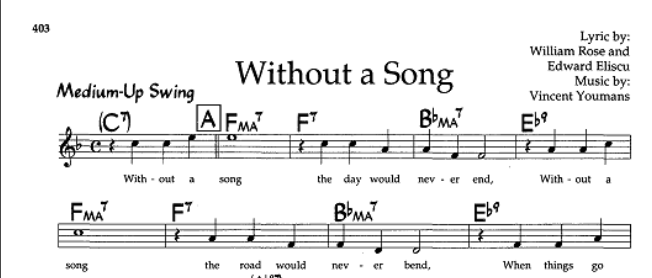
Practice continues apace, or maybe just a little heavier than before. My soprano sax got a basic tune-up last week and it plays a lot better than it was. It was previously a struggle to play, but now any problems that exist are down to my own chops and breath support. For that reason, while I was concentrating on tenor for most of August, I’ve been playing almost exclusively on soprano the last week or so. I’m still working up personalized altissimo charts, with my Teal book all marked up in terms of what works for alto. (Tenor’s next, then …

July was something of a slow month for reading, since I was teaching as summer intensive course and working with my wife on a book-length translation project. That said, I did finish a few books I’d had on the go for a while, and launched into some new ones in August. August wasn’t exactly slow, but I read less than I’d thought I might.