This is a book I picked up in a used book section in Depok, a small suburb of Jakarta. I was amazed to find, upon leafing through it, that it covers a lot of the same issues I cover in my undergraduate Public Speaking course. What’s more, since it is written for the average businessperson — it was, indeed, an Alternate Selection of the Executive Program, says the dustjacket — it’s basically at an appropriate reading level for my English Language & Culture major students, as well as many of the non-majors who seem to want to take the class. …
Tag: books
The Cleanest Race by B.R. Myers
I include the title of this book here for record-keeping only. I am writing a review of the book for The Kyoto Journal, so I will not be posting a review here. I will, however, note that it is quite an interesting book, and despite its shortcomings, I do think it’s worth your while to read it if you would like to know more about the mythic components of the North Korean ideology. Once it sees print, I’ll announce it here.
Sightseeing by Rattawut Lapcharoensap
(Still working on my review of Ian McDonald’s Cyberabad Days, so instead of rush-posting it before I’m happy with it, I’m posting this review.) I am writing this review without access to the Internet, so I may not have a chance to search for links before posting it. However, since I have a little free time, I am eager to write up this book while it is fresh in my mind. I’ll keep my review simple: this book is a fascinating, deft exploration of Thailand from the inside, by a young writer who I envy like mad. Lapcharoensap’s writing is …
Thailand: A Short History (2nd Edition) by David K. Wyatt

History is not just a procession of Great Men, kings and generals and high priests. We all know this, we insist upon it. Yet it is difficult to tell the story of history without discussing these figures, not only because we know so much more about them than we do about the commoners for so much of history, but also because of the degree to which their decisions, agendas, and problems influenced, shaped, and determined the lives of those around them. When we want to know something of a particular historical period, history becomes a Shakespearean play, complete with clowns, …
Can’t Get No by Rick Veitch

Warning: if you’re one of those people who hates spoilers, and you haven’t read this comic, then I don’t know what to tell you. Seek out a spoiler-free review, I guess, or read it. I don’t give away the whole store, but I do discuss the plot somewhat, as I need to do to say anything coherent about this book. This is one of those comics where I could just say, “I’m not sure I understood what this was about,” because I want to avoid the fact that I sort of understood, but had problems with the book, and yet …
Webster’s Is a Threat to Children Everywhere: Burn Down the Libraries; Ban the Internet; Return to the Dark Ages!
Making the Twitter rounds: Moronic parents demand Merriam Webster Collegiate Dictionary be banned from schools. Moronic school board complies. (Okay, maybe just temporarily.) (Another link here.) Yup, it seems some parent noticed a definition for “oral sex” in the dictionary, freaked out because their fourth/fifth grader might look up that word and see something “graphically sexual,” and then asked the school to ban the book. The thing about people like this is that banning one book is never enough. If they manage to ban one book, the next thing you know they’re going to be making blacklists and rooting through …
A History of Modern Burma by Michael W. Charney

I read A History of Modern Burma as part of the research for my current fiction project, and as histories go, I’m happy with what I learned as well as the perspective I gained from the text. Charney is clear, thoughtful, and quite balanced: he tries to at least make clear the kinds of thinking and motivation that underlied the military rulers of Burma in ages past and present, differentiating between them and their policies, as well at working to show what effect those policies had on the common people of Burma. Another point of strong interest is the role …
The Hundred Thousand Kingdoms by N.K. Jemisin
The Hundred Thousand Kingdoms by N.K. Jemisin Before I say anything about this novel, two disclosures and a warning: First: N.K. Jemisin is a friend; we met at the Launch Pad workshop last summer, and we went to and hung out at WorldCon last summer too. I don’t think that baises me too much: I know a number of people who are excellent and wonderful like Jemisin, but I wouldn’t say nice things about their books just on account of that; but anyway, in the interests of honesty and disclosure, I figured it’s best to throw that out there… Second: …
Patient Zero by Jonathan Maberry
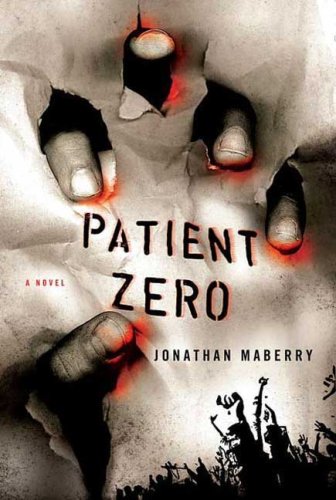
Another belated review for a Librarything freebie book, here. This one is tough for me to post, for reasons I imagine will be obvious… I try not to be too negative when I review books, stories, or other creative work. For one thing, I know what it’s like to have someone slam my work when they clearly haven’t understood it even slightly. I know what it feels like to see someone who doesn’t care either way about me and my work to stand up and dismiss it — online, which makes it harder because any twit can write a nasty …
The Life and Loves of Mr. Jive Ass Nigger by Cecil Brown
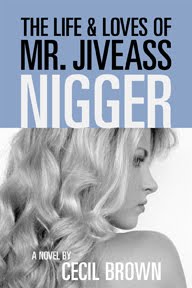
I read this book quite a while ago, and meant to post a review. Librarything is now saying, no freebie books if I don’t, and anyway, I do want to review it. But this is a bit from memory. Anyway, here’s what I posted on the Librarything website: This is, as someone else put it, a novel of a time and place. But it’s an interesting and somewhat alien time and place, even though it’s not so very long ago. Maybe it’s just because I’m projecting onto this text, but some other books that came to mind when one reads …